

In this guide
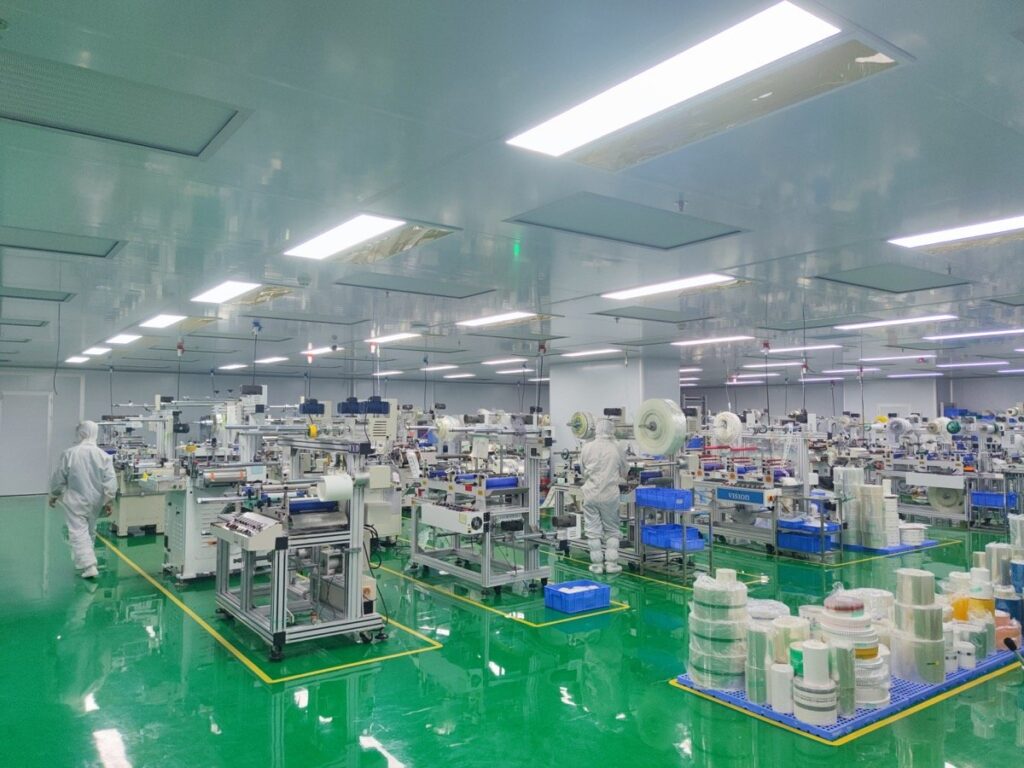
A successful wholesale screen protector program starts with a focused product mix—not the largest possible number of SKUs. Plan around your customer, sales channel, target devices and replenishment cycle before committing to samples or packaging.
- Define the customer and price position before choosing materials.
- Launch with a clear good-better-best structure.
- Validate fit, packaging and reorder rules before mass production.
1. Start with Your Customer and Sales Channel
The right range for a repair shop is different from the right range for a retail chain, online brand or distributor. Begin by documenting where the products will be sold, the device models that generate most demand, the expected retail price and the installation support available at the point of sale.
These answers determine whether your core line should prioritize fast installation, premium clarity, privacy, edge coverage, low replacement cost or compatibility with curved and foldable screens.
- Customer: repair shop, retailer, distributor, e-commerce brand or corporate buyer
- Demand: top device models and the replacement frequency in your market
- Positioning: entry, mainstream or premium price level
- Channel needs: retail packaging, barcode, language and installation accessories
2. Build a Balanced Product Mix
A focused launch is easier to explain, test and replenish than a catalogue built before demand is proven. Use a small number of clearly differentiated options so buyers understand why each product exists.
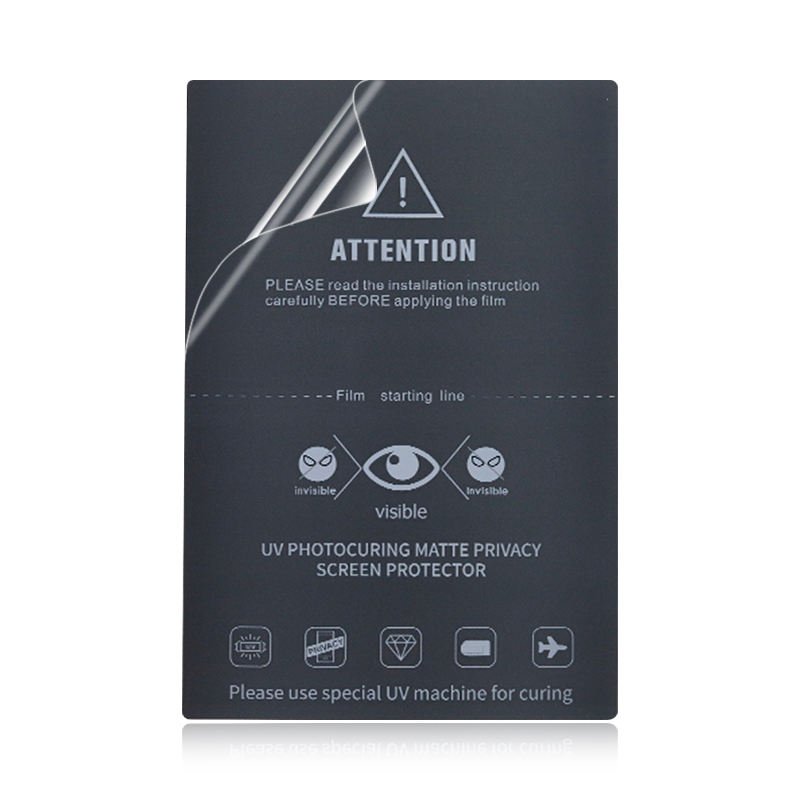
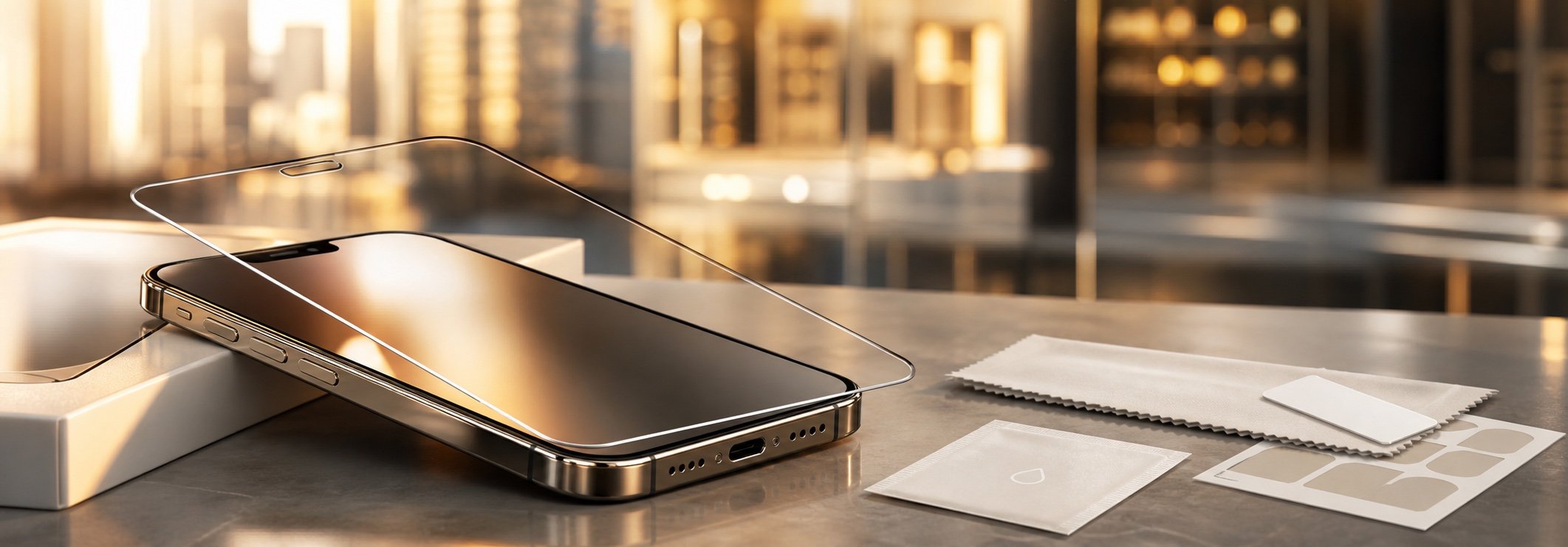
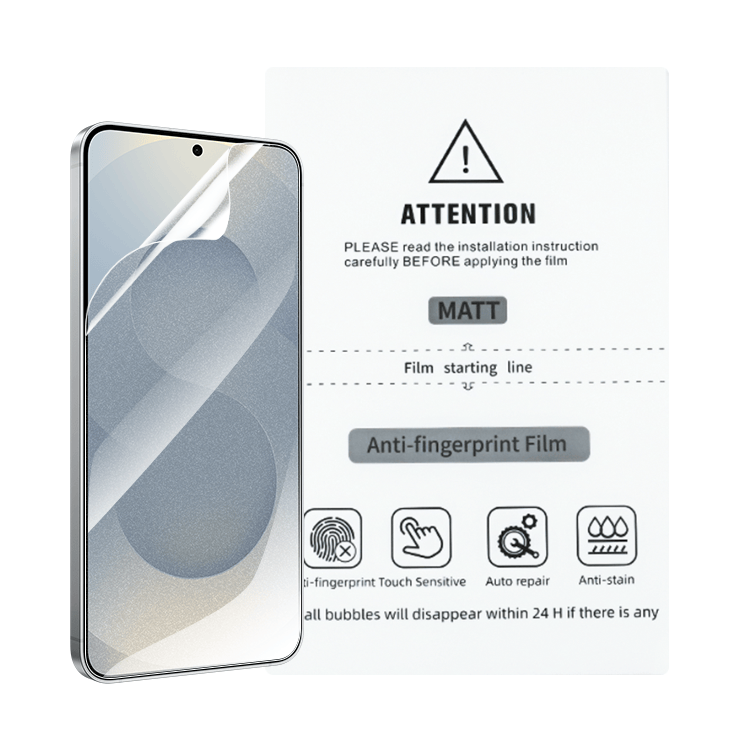
Tempered glass normally forms the core range for standard flat-screen phones. Hydrogel or flexible film can extend coverage to watches, curved displays and foldable devices, while UV curing film can serve models that require a different installation approach.
3. Validate Samples and Packaging
Approve the product before approving mass-production packaging. Test device fit, edge alignment, clarity, touch response, coating feel and installation method on the actual target models. A sample that looks correct on paper can still create returns if the fit or installation process is inconsistent.
Once the product is confirmed, align the packaging format, barcode, language, brand artwork, included accessories and destination-market requirements. Keep shared packaging components wherever practical so new models can be added without rebuilding the entire system.
4. Plan Replenishment Before Launch
The first order is only the beginning of the program. Agree how new phone models will be added, which SKUs need safety stock, how slow-moving items will be reviewed and what lead time should trigger a reorder. This prevents popular models from going out of stock while low-demand inventory continues to accumulate.
Give the supplier a simple forecast containing target models, initial quantity, monthly demand range, packaging requirements and destination. Even an approximate forecast is more useful than ordering each model without a shared replenishment plan.
5. Common Questions
How many SKUs should a new wholesale program start with?
There is no universal number. Start with the models that represent most of your confirmed demand and a small number of clearly differentiated finishes. Expand only after sales data shows where additional coverage is needed.
Should tempered glass and hydrogel film be planned together?
Yes, when they solve different coverage needs. Tempered glass is a strong core option for standard flat-screen phones, while hydrogel film can extend the range to watches, curved devices and foldable displays.
Need Help Planning Your First Product Mix?
Share your target market, device models, expected quantity and packaging requirements. JJT can help you shape a practical wholesale starting range.
Discuss Your Product Plan