
In this guide
Choosing a screen protector manufacturer is not only a price comparison. Wholesale buyers also need to verify product consistency, model coverage, customization capability and the supplier’s process for samples, quality control and repeat orders.
- Verify the factory’s real production and quality-control capabilities.
- Test representative samples before confirming a large product range.
- Define packaging, lead time and reorder requirements in writing.
1. Verify Manufacturing and Quality-Control Capability
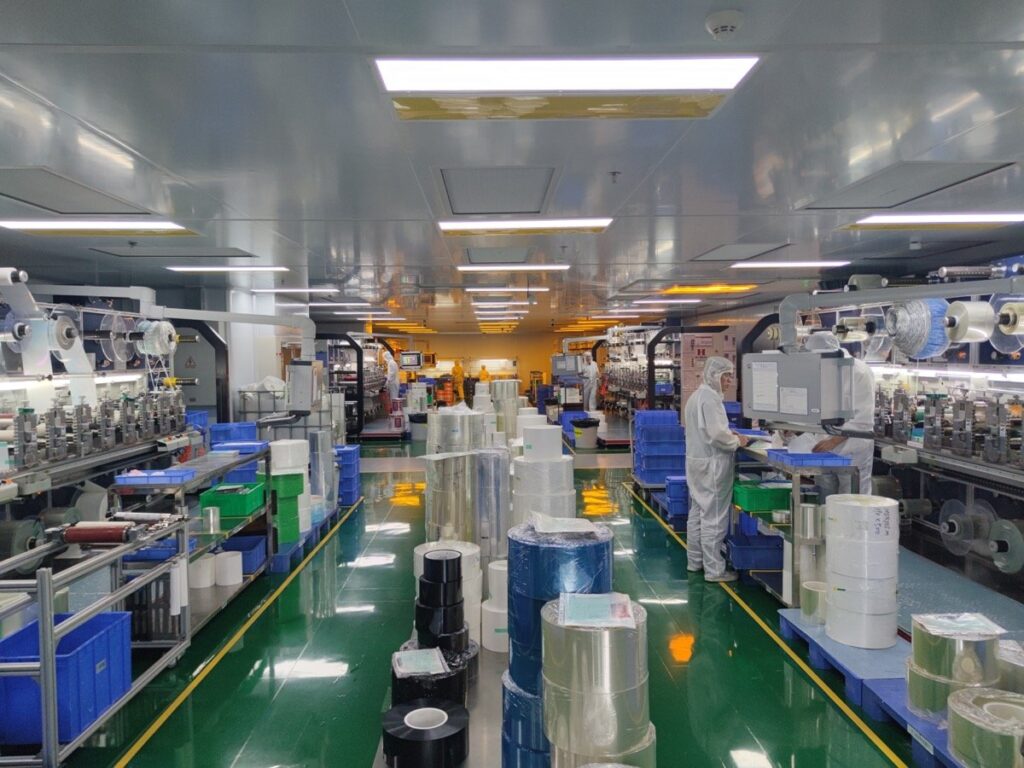
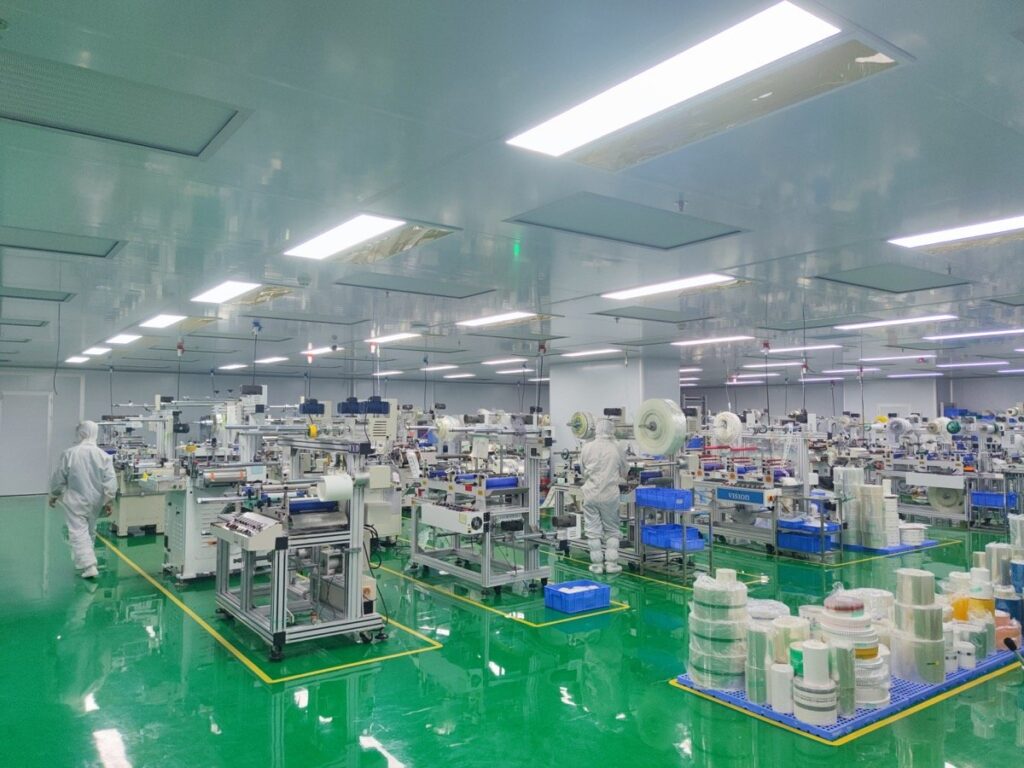
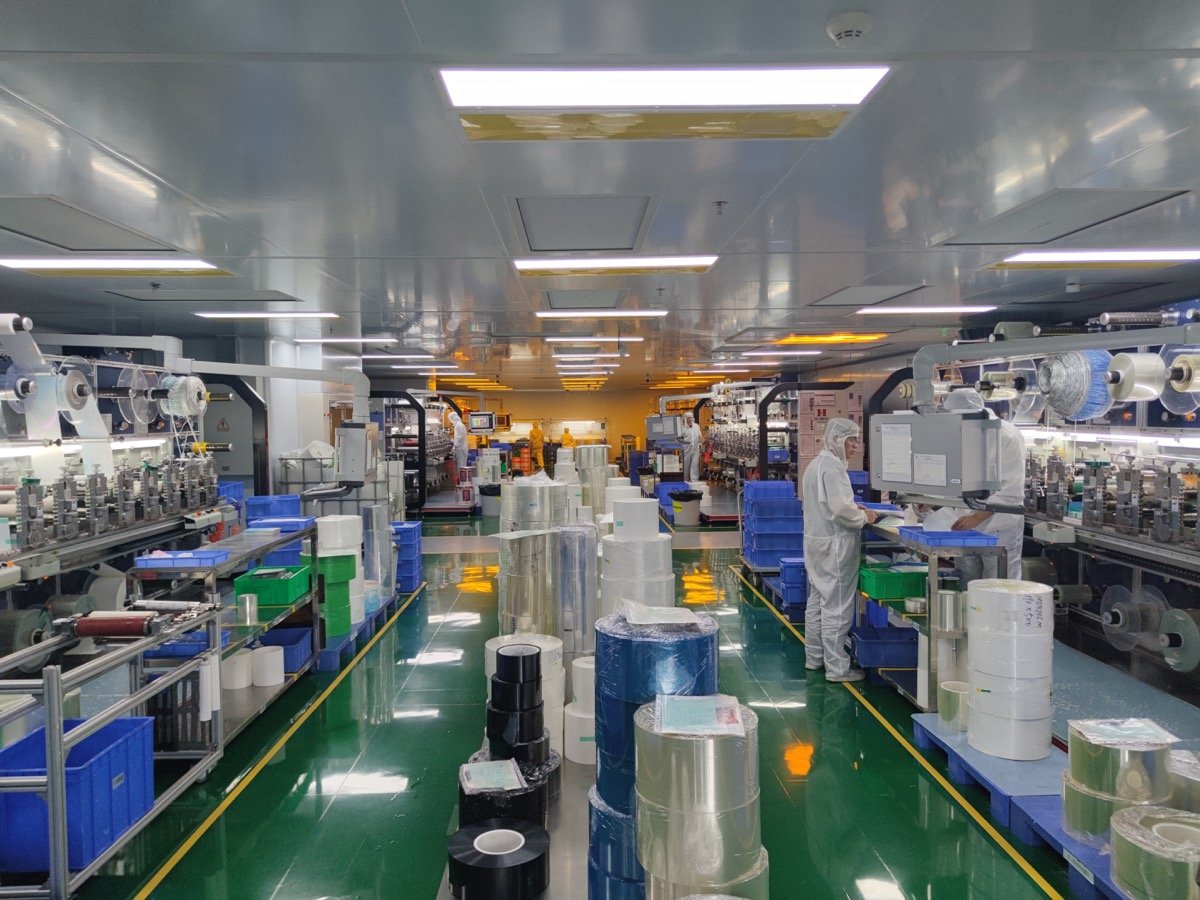
Start by checking whether the supplier can explain its production process clearly. A reliable manufacturer should be able to describe material inspection, cutting or forming, cleaning, coating, lamination, final inspection and packaging without relying on vague claims.
Ask which quality records are available for the products you plan to buy. Certifications such as ISO 9001, ISO 14001 and BSCI can support supplier evaluation, while product-level reports such as RoHS, CE or SGS testing help confirm requirements for specific markets. The important point is to match each document to the product and order you are evaluating.

2. Test Samples That Represent the Real Order
A single attractive sample does not prove that an entire product program is ready. Select samples that represent the materials, finishes, device models and packaging formats you actually plan to sell.
- Fit and dimensions: confirm speaker, camera and edge alignment on the target devices.
- Optical performance: review clarity, privacy angle, haze and color consistency where relevant.
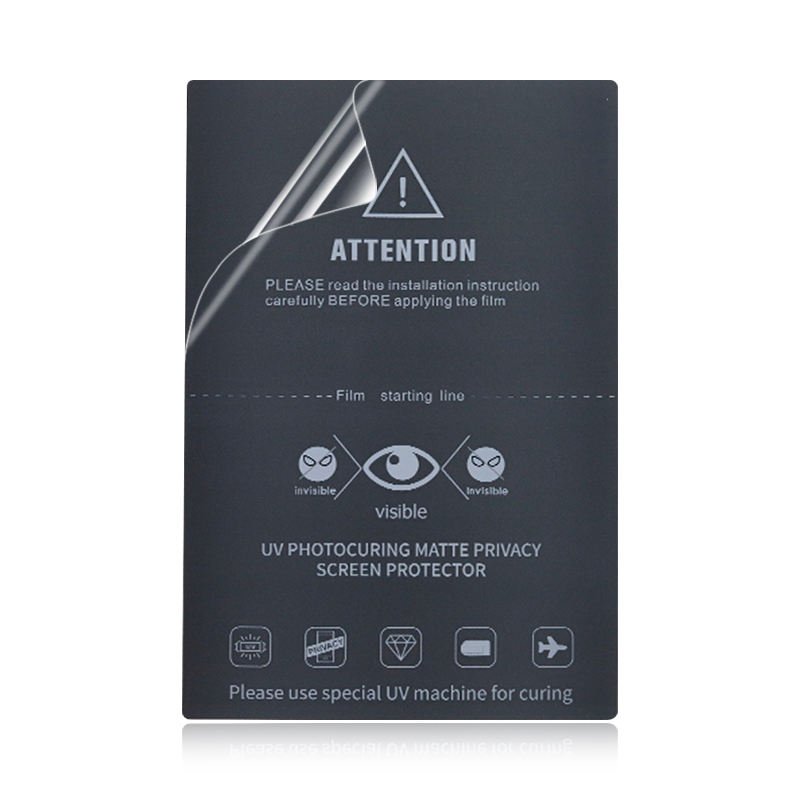
- Surface experience: compare touch feel, fingerprint resistance, edge finish and installation behavior.
- Packaging: check labels, barcodes, accessories, instructions and retail presentation.
3. Confirm Model Coverage, MOQ and Customization
Wholesale programs often fail because the first order includes too many models without enough demand data. Ask the manufacturer to separate standard stock items from products that require custom cutting, printing or packaging. This makes the real minimum order quantity easier to understand.
For OEM or ODM programs, confirm which items can be customized: product specifications, logo printing, packaging structure, inserts, accessories and carton labels. Also confirm whether different models can be combined within one production or packaging order.
4. Define Lead Time, Reorders and Problem Handling
Request separate lead times for samples, packaging approval and mass production. A realistic schedule should also include time for artwork confirmation, device-model checking and final inspection.
Before placing the order, agree on how shortages, damaged packaging, model errors and quality complaints will be documented and resolved. For repeat business, ask how approved specifications and packaging files will be retained so the next order can match the first.
5. Common Questions
How many samples should a wholesale buyer test?
There is no universal number. Test enough samples to cover each important material, finish, device family and packaging format in the planned order.
Is the lowest quotation usually the best choice?
No. Compare the complete program cost, including consistency, accessories, packaging, defect handling, communication and reorder reliability.
What information should I send when requesting a quotation?
Provide target device models, product type, finish, estimated quantity, destination market, packaging requirements and any testing or certification needs.
Evaluate Your Next Screen Protector Program with JJT
Share your target models, quantity, market and packaging requirements. JJT can recommend a practical sample plan and prepare a wholesale or OEM quotation for comparison.
Contact JJT