Category: Uncategorized

  • How to choose-screen-protector-supplier-china

    How to choose-screen-protector-supplier-china

    In this guide

    Search “screen protector manufacturer China” and you will find trading companies, brokers and factories listed side by side. Asking the right questions before committing to a supplier helps wholesale buyers reduce quality, timing and communication risks.

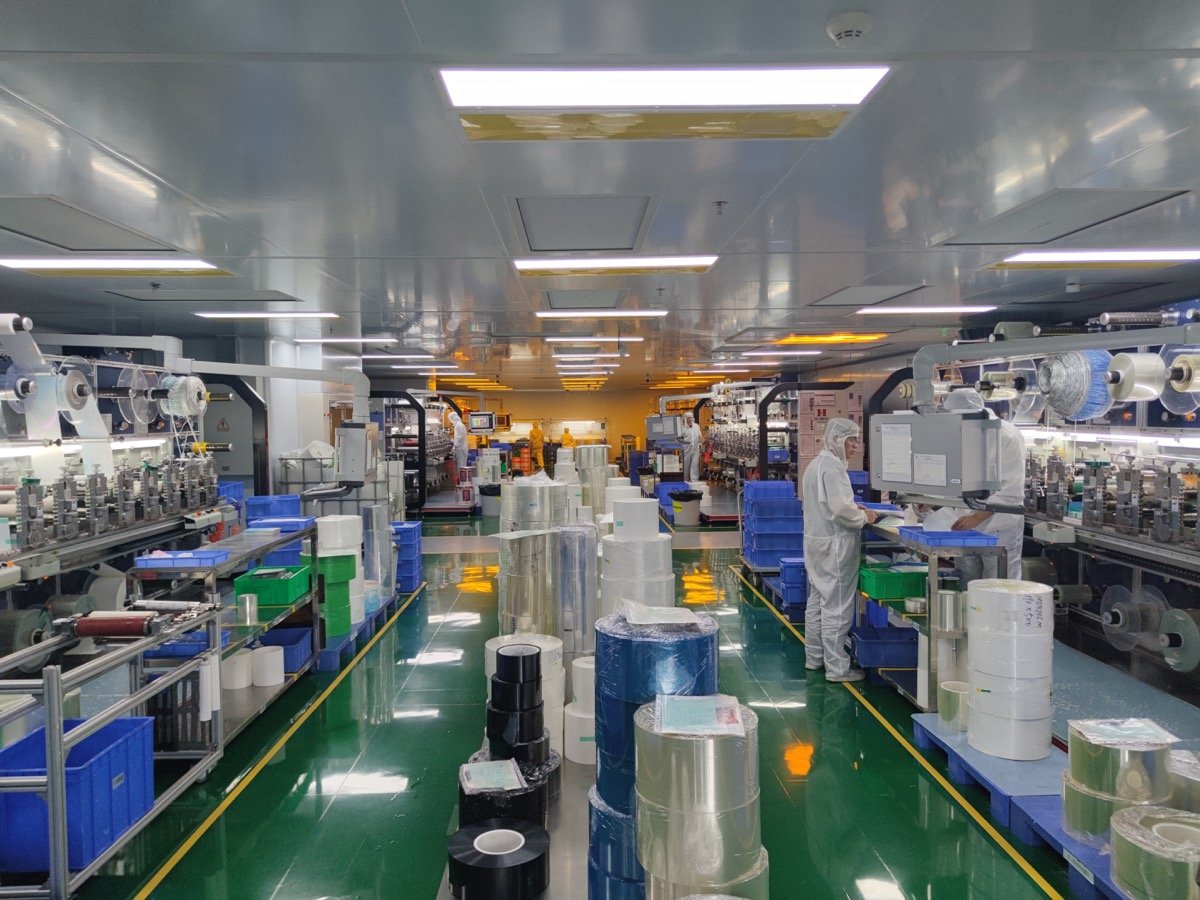
    • Verify whether the supplier is a real manufacturer and confirm its production capacity.
    • Check certifications, material reports, MOQ and sample capability.
    • Confirm customization, export experience and after-sales responsibility.

    1. Verify Factory Identity and Production Capacity

    A wrong supplier choice does not only cost money. It can also consume the launch window while samples, packaging and production problems are corrected. Work through these checks with every supplier you are seriously considering.

    Manufacturer or Trading Company?

    Ask directly, and ask for proof—a business license, a factory video call or an in-person audit. Trading companies are not inherently bad, but you should know whether you are negotiating with the factory or with a middleman adding a markup and a communication delay.

    Real Production Capacity

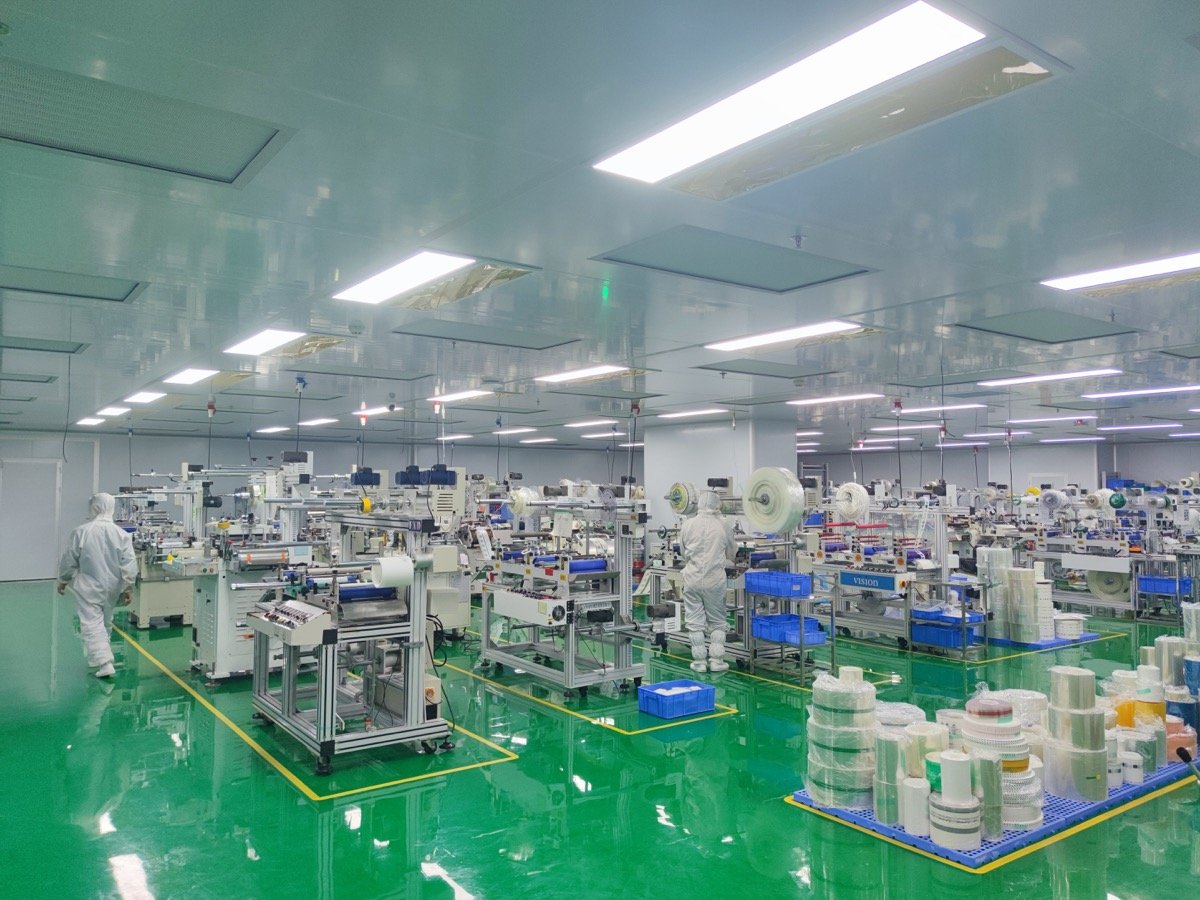
    Ask how many cutting and lamination machines the supplier runs in-house, its realistic daily output, and whether printing, packaging or coating is outsourced. A factory that is vague about capacity may be hiding a bottleneck.

    2. Check Certifications and Material Test Reports

    Quality Certifications

    ISO 9001 for quality management and ISO 14001 for environmental management should have verifiable certificate numbers, not only logos on a website. Ask for the certificates and confirm them with the issuing body when the order size justifies it.

    Material Test Reports

    Request SGS, RoHS or REACH reports for the specific glass, film and adhesive used in your order—not generic reports for a different product line. This is especially important when importing into markets with strict chemical-compliance requirements.

    3. Review MOQ, Samples and Customization

    • MOQ flexibility: ask whether a smaller trial order is available before committing to bulk volume.
    • Sample turnaround: confirm how quickly physical samples can be supplied and what the sample and shipping costs will be.
    • Customization: verify which logo printing, retail packaging, private-label box and custom die-cut options are completed in-house.

    A supplier that refuses every order below a rigid, high MOQ makes it difficult to test a new product line without major upfront risk. Slow or expensive sampling can also be an early warning sign of how the rest of the relationship will run.

    4. Confirm Compliance, Export Experience and Support

    Social Compliance

    A BSCI audit or equivalent social-compliance certification matters increasingly to buyers in the EU and US, and it can indicate how seriously a factory manages its operations.

    Export Experience

    Ask for references or shipping history for your region. A factory that regularly exports to your market should already understand common incoterms, documentation requirements and realistic customs timelines.

    After-Sales and Communication

    Find out who handles your account after the order ships—a dedicated contact or whoever answers next in a shared inbox. Response time and clarity help predict how disputes, replacements and reorders will be managed.

    5. Common Questions

    Is working with a trading company always a bad choice?

    No. The important point is knowing who controls production, quality, pricing and communication before you place the order.

    Which supplier documents should a buyer verify?

    Verify business and factory information, relevant management certifications, social-compliance records and product-specific material test reports.

    Should a new buyer request a trial order?

    Yes. A smaller trial order can validate product consistency, packaging, lead time and communication before a larger commitment.

    Considering JJT as Your Screen Protector Supplier?

    Share your target products, device models, quantity, market and packaging requirements. JJT can prepare samples and a practical wholesale or OEM quotation for comparison.

    Contact JJT

    Review JJT’s manufacturing background or compare another wholesale sourcing guide.
    About JJTReview the factory, certifications and screen protector manufacturing experience.Learn more → Evaluate a ManufacturerUse a practical process for samples, quality control and repeat orders.Read the guide → Talk to JJTGet product, sampling and packaging guidance for your program.Contact the team →
  • Tempered Glass vs Hydrogel Film – Which Should You Stock

    Tempered Glass vs Hydrogel Film – Which Should You Stock

    In this guide

    Tempered glass and hydrogel film are the two protector materials every distributor eventually has to choose between — and the honest answer is that neither one is universally “better.” They solve different problems, appeal to different customers and carry different margins. Here’s how they actually compare.

    • Use tempered glass where rigid impact protection and familiar retail presentation matter.
    • Use hydrogel film for broader device coverage, curved screens and on-demand cutting.
    • Build the product mix around customer demand instead of treating one format as universally better.

    1. The Core Difference

    Tempered glass is a rigid, chemically strengthened glass sheet cut and tempered to a set thickness — it behaves like a second layer of screen glass. Hydrogel film is a soft, self-healing polymer film that conforms to the screen surface, including curved edges, rather than sitting as a rigid layer on top.

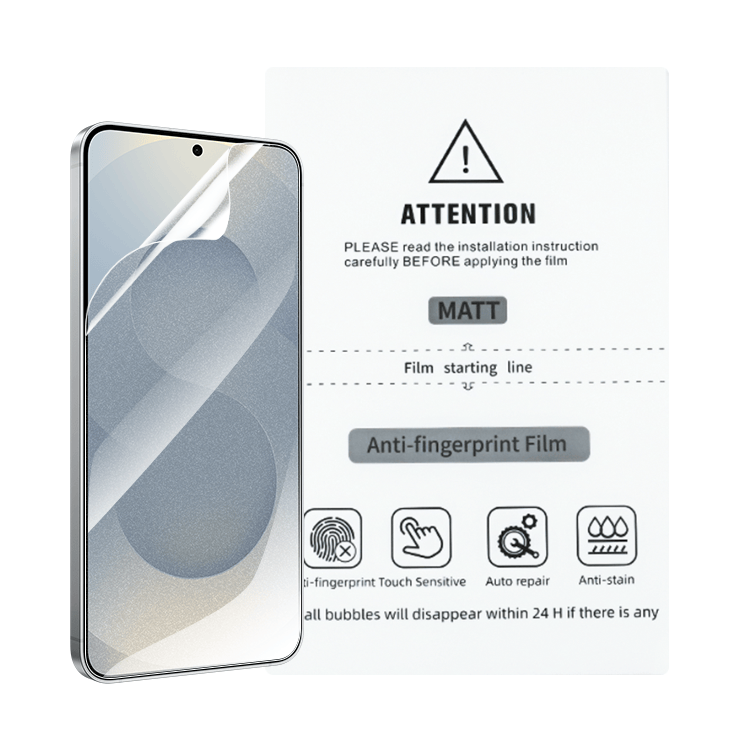
    Anti-fingerprint hydrogel film for comparison with tempered glass screen protectors

    2. Drop and Scratch Protection Compared

    Glass wins on raw drop protection — its rigidity absorbs and spreads impact energy better than a soft film, which is why it remains the default recommendation for customers who prioritize screen survival in a hard drop. Hydrogel resists everyday scratches well and self-heals light surface marks over time, but it isn’t a substitute for glass in a drop-heavy use case.

    3. Install Experience

    Glass installs flat and rigid, which makes bubble-free application straightforward even for first-time users — align, drop, done. Hydrogel requires a wet-install technique (or a precision dry-install for some variants) and a bit more patience to work from the center outward, but it rewards that patience with true edge-to-edge, gap-free coverage.

    4. Curved and Edge-to-Edge Screens

    This is where hydrogel has a clear structural advantage: because it’s flexible, it wraps fully around curved-edge displays without the visible gap or lifted edge that glass — especially flat and 2.5D glass — often leaves on curved-screen devices.

    5. Reorder Frequency and Margin

    Hydrogel is typically replaced more often than glass, since it’s thinner and shows wear sooner — for a retailer, that translates into more repeat purchases per customer over a device’s lifetime. Glass carries a higher unit price and margin per sale but a longer replacement cycle. Neither pattern is automatically better; it depends on whether your business model favors higher-frequency, lower-ticket sales or higher-ticket, lower-frequency sales.

    6. Our Recommendation: Stock Both, Segment by Customer

    Most successful distributors don’t pick one material — they stock both and let the customer’s device and habits decide. Flat-screen phones and drop-prone users lean toward glass; curved-screen devices and scratch-conscious daily users lean toward hydrogel. Offering both also means you’re not turning away half your potential customers over a material preference.

    Need Samples of Both Materials?

    JJT manufactures tempered glass and hydrogel film in-house, so you can compare real samples side by side before committing to a program.

    Get a Quote Request Samples

    Use these resources to compare products and prepare a focused wholesale request.

    Tempered Glass Screen ProtectorsReview wholesale tempered glass product formats.Learn more → Hydrogel Film OptionsCompare flexible film materials and functions.Learn more → Talk to JJTGet product, sampling and packaging guidance for your program.Contact the team →
  • How to Evaluate a Screen Protector Manufacturer Before a Wholesale Order

    How to Evaluate a Screen Protector Manufacturer Before a Wholesale Order

    In this guide

    Choosing a screen protector manufacturer is not only a price comparison. Wholesale buyers also need to verify product consistency, model coverage, customization capability and the supplier’s process for samples, quality control and repeat orders.

    • Verify the factory’s real production and quality-control capabilities.
    • Test representative samples before confirming a large product range.
    • Define packaging, lead time and reorder requirements in writing.

    1. Verify Manufacturing and Quality-Control Capability

    Start by checking whether the supplier can explain its production process clearly. A reliable manufacturer should be able to describe material inspection, cutting or forming, cleaning, coating, lamination, final inspection and packaging without relying on vague claims.

    Ask which quality records are available for the products you plan to buy. Certifications such as ISO 9001, ISO 14001 and BSCI can support supplier evaluation, while product-level reports such as RoHS, CE or SGS testing help confirm requirements for specific markets. The important point is to match each document to the product and order you are evaluating.

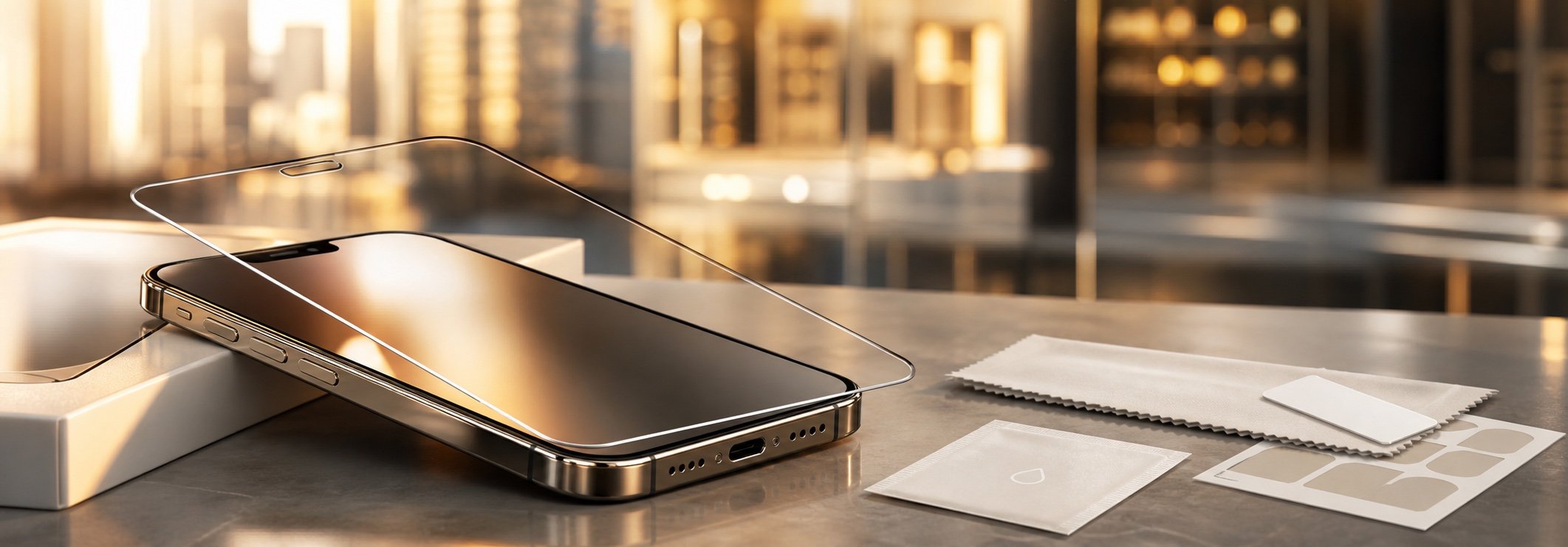
    Tempered glass screen protector prepared for wholesale product evaluation
    Evaluate representative products and inspection criteria before expanding the order to more device models.

    2. Test Samples That Represent the Real Order

    A single attractive sample does not prove that an entire product program is ready. Select samples that represent the materials, finishes, device models and packaging formats you actually plan to sell.

    • Fit and dimensions: confirm speaker, camera and edge alignment on the target devices.
    • Optical performance: review clarity, privacy angle, haze and color consistency where relevant.
    • Surface experience: compare touch feel, fingerprint resistance, edge finish and installation behavior.
    • Packaging: check labels, barcodes, accessories, instructions and retail presentation.

    3. Confirm Model Coverage, MOQ and Customization

    Wholesale programs often fail because the first order includes too many models without enough demand data. Ask the manufacturer to separate standard stock items from products that require custom cutting, printing or packaging. This makes the real minimum order quantity easier to understand.

    For OEM or ODM programs, confirm which items can be customized: product specifications, logo printing, packaging structure, inserts, accessories and carton labels. Also confirm whether different models can be combined within one production or packaging order.

    4. Define Lead Time, Reorders and Problem Handling

    Request separate lead times for samples, packaging approval and mass production. A realistic schedule should also include time for artwork confirmation, device-model checking and final inspection.

    Before placing the order, agree on how shortages, damaged packaging, model errors and quality complaints will be documented and resolved. For repeat business, ask how approved specifications and packaging files will be retained so the next order can match the first.

    5. Common Questions

    How many samples should a wholesale buyer test?

    There is no universal number. Test enough samples to cover each important material, finish, device family and packaging format in the planned order.

    Is the lowest quotation usually the best choice?

    No. Compare the complete program cost, including consistency, accessories, packaging, defect handling, communication and reorder reliability.

    What information should I send when requesting a quotation?

    Provide target device models, product type, finish, estimated quantity, destination market, packaging requirements and any testing or certification needs.

    Evaluate Your Next Screen Protector Program with JJT

    Share your target models, quantity, market and packaging requirements. JJT can recommend a practical sample plan and prepare a wholesale or OEM quotation for comparison.

    Contact JJT

    Compare product formats and prepare the information needed for a focused wholesale quotation.

    Tempered Glass Screen ProtectorsReview wholesale tempered-glass formats and product options.Learn more → Hydrogel Film OptionsCompare flexible film materials for phones, watches and other devices.Learn more → Talk to JJTGet product, sampling and packaging guidance for your program.Contact the team →
  • How to Plan a Screen Protector Product Line for Wholesale

    How to Plan a Screen Protector Product Line for Wholesale

    In this guide

    A successful wholesale screen protector program starts with a focused product mix—not the largest possible number of SKUs. Plan around your customer, sales channel, target devices and replenishment cycle before committing to samples or packaging.

    • Define the customer and price position before choosing materials.
    • Launch with a clear good-better-best structure.
    • Validate fit, packaging and reorder rules before mass production.

    1. Start with Your Customer and Sales Channel

    The right range for a repair shop is different from the right range for a retail chain, online brand or distributor. Begin by documenting where the products will be sold, the device models that generate most demand, the expected retail price and the installation support available at the point of sale.

    Anti-fingerprint hydrogel film option for a balanced wholesale screen protector product mix

    These answers determine whether your core line should prioritize fast installation, premium clarity, privacy, edge coverage, low replacement cost or compatibility with curved and foldable screens.

    • Customer: repair shop, retailer, distributor, e-commerce brand or corporate buyer
    • Demand: top device models and the replacement frequency in your market
    • Positioning: entry, mainstream or premium price level
    • Channel needs: retail packaging, barcode, language and installation accessories

    2. Build a Balanced Product Mix

    A focused launch is easier to explain, test and replenish than a catalogue built before demand is proven. Use a small number of clearly differentiated options so buyers understand why each product exists.

    GoodA dependable clear option for price-sensitive, high-volume sales.
    BetterImproved glass, coating or installation experience for the mainstream range.
    BestPremium clarity, privacy or specialized coverage for higher-margin demand.

    Tempered glass normally forms the core range for standard flat-screen phones. Hydrogel or flexible film can extend coverage to watches, curved displays and foldable devices, while UV curing film can serve models that require a different installation approach.

    3. Validate Samples and Packaging

    Approve the product before approving mass-production packaging. Test device fit, edge alignment, clarity, touch response, coating feel and installation method on the actual target models. A sample that looks correct on paper can still create returns if the fit or installation process is inconsistent.

    Once the product is confirmed, align the packaging format, barcode, language, brand artwork, included accessories and destination-market requirements. Keep shared packaging components wherever practical so new models can be added without rebuilding the entire system.

    4. Plan Replenishment Before Launch

    The first order is only the beginning of the program. Agree how new phone models will be added, which SKUs need safety stock, how slow-moving items will be reviewed and what lead time should trigger a reorder. This prevents popular models from going out of stock while low-demand inventory continues to accumulate.

    Give the supplier a simple forecast containing target models, initial quantity, monthly demand range, packaging requirements and destination. Even an approximate forecast is more useful than ordering each model without a shared replenishment plan.

    5. Common Questions

    How many SKUs should a new wholesale program start with?

    There is no universal number. Start with the models that represent most of your confirmed demand and a small number of clearly differentiated finishes. Expand only after sales data shows where additional coverage is needed.

    Should tempered glass and hydrogel film be planned together?

    Yes, when they solve different coverage needs. Tempered glass is a strong core option for standard flat-screen phones, while hydrogel film can extend the range to watches, curved devices and foldable displays.

    Need Help Planning Your First Product Mix?

    Share your target market, device models, expected quantity and packaging requirements. JJT can help you shape a practical wholesale starting range.

    Discuss Your Product Plan

    Compare materials or discuss a sourcing plan with JJT.

    Tempered Glass Screen ProtectorsExplore the core glass range for mobile phones and other devices.View product range → Hydrogel Film OptionsExtend coverage to curved, wearable and foldable displays.Compare film options → Talk to JJTGet product, sampling and packaging guidance for your program.Contact the team →
  • How Do Privacy Screen Protectors Work?

    How Do Privacy Screen Protectors Work?

    In this guide

    A privacy screen protector uses a built-in optical filter to keep the display readable from straight ahead while making it appear dark from the side. This guide explains how the filter works, which product formats are available and what buyers should verify before ordering.

    • Understand how the micro-louvre filter controls side-angle visibility.
    • Compare confirmed privacy formats before selecting products for your market.
    • Verify viewing angle, brightness and touch performance with product-specific samples.

    1. How a Privacy Screen Protector Works

    The core technology is called a microlouvre or micro-louvre filter—a microscopically thin lattice of light-blocking strips embedded inside the protector layer. It works in a similar way to window blinds controlling the direction in which light can pass.

    When you look at the screen head-on, light travels straight through the gaps and the image looks normal. When someone looks from the side, the same lattice blocks the angled light path, so the display appears dark. This is a purely optical effect; it does not require electronics, software or power.

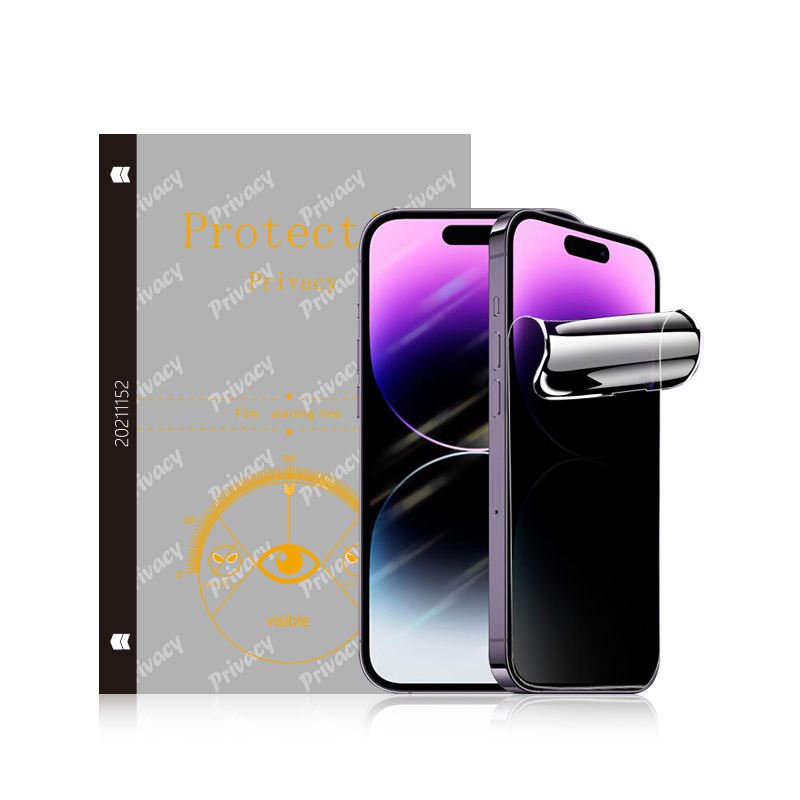
    Privacy screen protector prepared for wholesale product evaluation

    2. Choose the Right Privacy Format

    Privacy protection is available in more than one material format, but buyers should distinguish confirmed products from specifications that require a custom feasibility check. JJT’s Matt Privacy UV curing film is a confirmed dedicated privacy finish.

    A privacy or anti-glare finish on tempered glass or hydrogel film may be available on request, but it must be confirmed for the target device before quotation. The material lines are not automatically interchangeable. For a program-level overview, see the privacy screen protector wholesale and OEM page.

    3. Understand Brightness and Viewing Comfort

    Privacy protection is useful for customers who view banking apps, work email, contracts or other sensitive content on trains, in open offices or in public spaces. The visual protection is immediate and does not require settings or software.

    The trade-off is that the filter can make the screen look slightly dimmer to the primary viewer because the same lattice reduces some forward light. This does not inherently add flicker or blue light. Users can adjust screen brightness, but comfort should be confirmed with the specific product or a physical sample.

    4. Verify Touch Response and Viewing Angle

    A well-manufactured privacy protector, correctly installed, should not noticeably change touchscreen response. The privacy filter sits above the touch sensor and does not interfere with capacitive input. As with any protector, bubbles and misalignment can affect the perceived touch experience.

    The visible and blocked viewing angles depend on the product construction and material. JJT does not use one blanket figure for every privacy SKU. Confirm the exact angle against the specification sheet or test a sample before placing a wholesale order.

    5. Common Questions

    Are privacy screen protectors useful?

    Yes, especially for customers who regularly view sensitive content in public or work in shared spaces. The main trade-off is a small reduction in apparent brightness.

    Does a privacy filter need power or software?

    No. The privacy effect is created by the optical structure inside the protector and works without electronics or device settings.

    How should a wholesale buyer confirm performance?

    Request the product specification and test a sample on the intended device for viewing angle, brightness, clarity, touch response and installation quality.

    Ready to Add Privacy Protectors to Your Program?

    Share your target devices, preferred material and quantity. JJT can confirm privacy-finish availability and prepare samples for a wholesale or OEM program.

    Contact JJT

    Compare available privacy formats or prepare a focused sample request with JJT.

    Privacy Screen Protector ProgramsReview wholesale and OEM privacy protector options.Learn more → Matt Privacy UV FilmSee the confirmed privacy UV curing film format.View the product → Talk to JJTGet product, sampling and packaging guidance for your program.Contact the team →
  • Choosing a Privacy Screen Protector Format: Glass vs Hydrogel vs UV Film

    In this guide

    Retailers and brands can offer privacy protection in tempered glass, hydrogel film or UV curing film, but availability and installation requirements differ. This guide compares the formats and shows where a product-specific confirmation is required before ordering.

    • Separate confirmed privacy products from finishes available only on request.
    • Match the material to device coverage, installation method and buyer expectations.
    • Validate the exact finish and viewing performance before placing a wholesale order.

    1. Compare the Three Privacy Formats

    FactorTempered GlassHydrogel FilmUV Curing Film
    Privacy availabilityAvailable on request—confirm with teamAvailable on request—confirm with teamConfirmed Matt Privacy UV curing film
    Material and installationRigid glass, adhesive-mountedFlexible, self-healing filmFull-glue UV-cured film
    Curved-screen fitBest on flat or mildly curved edgesBest on curved edges and irregular shapesBest on flat or mildly curved edges
    Touch feelFirm, glass-like feelCloser to a bare-screen feelFirm, glass-like feel after curing
    Typical buyerGeneral retail and impact-protection programsDevices that rigid glass cannot cover wellPrograms needing a confirmed privacy SKU

    The most important difference is availability. A tempered-glass or hydrogel privacy finish may be possible, but it must be confirmed for the intended device. Matt Privacy UV curing film is already a confirmed dedicated privacy line.

    Matt privacy UV film for a wholesale privacy screen protector program

    2. Choose a Format for Retail Programs

    Retail chains often get the fastest path to shelf by adding Matt Privacy UV curing film alongside their existing clear-film products because it is a confirmed line rather than a custom request.

    Tempered glass remains familiar to buyers who prioritize impact resistance and a rigid feel. Hydrogel film is useful when curved edges or irregular device shapes are difficult to cover with rigid glass. In both cases, the privacy specification should be confirmed before the product is placed on a quotation.

    3. Plan for E-Commerce and Brand Requirements

    E-commerce sellers testing demand usually want the shortest development cycle. A confirmed privacy product can reduce the feasibility work required before the first sample run. Tempered-glass or hydrogel privacy finishes can be explored after demand is validated.

    Enterprise and brand procurement teams may already specify tempered glass for impact resistance or a particular in-hand feel. Those buyers should raise the privacy requirement at the RFQ stage rather than after tooling or packaging work has started.

    4. Confirm the Specification Before Quotation

    Include target devices, material preference, expected quantity, viewing-angle requirement, packaging format and destination market in the request. This gives the supplier enough information to confirm feasibility and prepare representative samples.

    MOQ tiers and lead times still depend on the amount of customization. See Screen Protector OEM: MOQ, Lead Time and Costs for the planning factors, or the wholesale supplier overview for the wider sourcing process.

    5. Common Questions

    Which JJT privacy format is currently confirmed?

    Matt Privacy UV curing film is a confirmed dedicated privacy finish. Confirm tempered-glass or hydrogel privacy availability for the intended devices.

    Which material is best for curved screens?

    Hydrogel film is generally the most flexible option for curved edges and irregular shapes, subject to confirmation of the requested privacy finish.

    When should a buyer request privacy samples?

    Request them before packaging approval or bulk production so viewing angle, brightness, fit, touch response and installation can be evaluated.

    Ready to Confirm a Privacy Format?

    Share your target devices, preferred material and order requirements. JJT can confirm availability and prepare a program-specific quotation.

    Contact JJT

    Review privacy product programs and the confirmed Matt Privacy UV film.

    Privacy Screen Protector ProgramsCompare privacy solutions for wholesale and OEM projects.Learn more → Matt Privacy UV FilmReview the confirmed privacy UV curing film format.View the product → Talk to JJTGet product, sampling and packaging guidance for your program.Contact the team →
  • Screen Protector OEM: MOQ, Lead Time and Costs Explained

    In this guide

    OEM screen protector pricing looks simple on a quotation, but final cost and lead time depend on customization, packaging, SKU count and sample approval. Define the real scope before comparing unit prices.

    • Separate private label, custom cutting and full ODM requirements.
    • Match MOQ expectations to the level of customization.
    • Plan sample approval, hidden setup costs and production timing before launch.

    1. Define What OEM Means for Your Order

    OEM can mean anything from adding a logo to standard packaging to developing a custom die-cut shape, material specification and retail box. Before requesting quotations, decide which level you actually need.

    • Private label: your branding on an existing product and packaging format.
    • Custom cut: a new device-specific shape or size using an established material.
    • Full ODM: a custom material, coating and packaging system designed around your specification.

    2. Understand Typical MOQ Tiers

    • Private label, existing product: usually the lowest MOQ tier because the main custom requirement is the packaging print run.
    • Custom die-cut shape, standard packaging: generally a middle tier because a new cutting template is required while existing packaging can be reused.
    • Custom packaging and material specification: usually the highest tier because plate-making, printing setup and special material sourcing only become economical at volume.

    A supplier that cannot explain which tier your order falls into—or will not discuss a trial order below its standard MOQ—is worth checking carefully.

    3. Plan the Real Lead Time

    Production itself is often the fastest part of the timeline. Sample revisions, packaging artwork proofing across time zones, sourcing less common materials and waiting for an available production slot can add days or weeks.

    Request separate estimates for sample development, artwork approval, material preparation, bulk production, quality control and shipping preparation. This makes the schedule easier to manage and shows where delays are occurring.

    4. Account for Hidden Costs and First-Order Timing

    The costs most often missing from an initial quotation are tooling or die charges for a new cutting shape, plate-making or printing-cylinder setup for custom packaging, and express sample shipping. These costs are not unreasonable, but they should be identified before the final invoice.

    For a mid-tier custom order, sample development may take 5–10 days, artwork approval another 3–7 days, bulk production 15–25 days after artwork is locked, and quality control plus shipping preparation another 3–5 days. A first order with a new supplier often runs toward the longer end of each range.

    5. Common Questions

    Why does custom packaging increase MOQ?

    Custom printing usually requires setup, plate-making or minimum material runs. Those fixed costs become practical only when spread across enough units.

    What should be approved before bulk production?

    Approve the product sample, device fit, material specification, packaging artwork, included accessories, labels and carton requirements in writing.

    How can a buyer reduce first-order delays?

    Provide a clear device list and packaging brief, respond quickly to samples and artwork, and build revision time into the launch schedule.

    Planning Your First Screen Protector OEM Order?

    Share your target MOQ, device list, destination market and packaging requirements. JJT can explain realistic quotation tiers, sample steps and production timing.

    Request an OEM Quotation

    Build a focused product range and verify the supplier before approving a custom order.

    Plan Your Product LineChoose materials, device coverage and a practical starting range.Read the guide →
    Supplier ChecklistVerify factory capacity, compliance, samples and support.Review the checklist →
    Talk to JJTGet product, sampling and packaging guidance for your program.Contact the team →
  • How a Screen Protector Cutting Machine Works

    In this guide

    A plotter-style screen protector cutting machine produces device-specific protectors from blank film while the customer waits. Understanding its workflow helps repair shops, accessory stores and wholesale programs compare machine quality, film compatibility and running costs.

    • Replace thousands of pre-cut SKUs with an on-demand template library.
    • Match blade depth, film and device data for accurate cutting.
    • Choose the cutting-bed size according to the devices you need to cover.

    1. What a Cutting Machine Actually Solves

    Stocking pre-cut protectors for every phone, tablet and smartwatch is difficult because new models launch frequently and shelf space is limited. A cutting machine changes the inventory model: you stock blank film in rolls or sheets and cut each protector on demand from a device template stored in the machine’s software library.

    This approach helps stores expand device coverage without carrying a separate finished SKU for every model. The value depends on accurate template updates, compatible film and a machine that can repeat clean cuts consistently.

    2. From Blank Film to a Finished Protector

    1. Select the device template: search the machine library for the phone, tablet or watch model and confirm the outline.
    2. Load the film: place a blank sheet or roll of compatible film flat on the cutting bed.
    3. Cut the vector path: the blade follows the selected outline at a controlled depth and speed without cutting through the release liner.
    4. Remove the waste: peel away excess material around the cut shape.
    5. Inspect and pack: check edges, camera openings and sensor cutouts before installation or packaging.

    3. Plotter Blade vs Laser Cutting

    Laser cutters can cut tempered glass directly, but the heat, equipment cost and maintenance requirements make them less practical for many retail environments. A plotter-style blade is mechanically simpler, less expensive to service and well suited to hydrogel film and glass-backing material.

    This is why the JJT 310 series and similar retail machines use blade cutting. Buyers should still confirm compatible materials, replacement-blade availability, calibration requirements and the process for receiving new device templates.

    4. Choose the Right Machine Size

    Machine size should match the products you intend to cut. A 13-inch cutting bed, such as the JJT 310 series, comfortably covers phones, smartwatches and small tablets. A wider 16-inch machine such as the C390 is designed for laptop protectors and larger-format film.

    Before choosing a model, list the largest devices in your program, the film formats you plan to stock and the available counter space. Also confirm software access, template-update frequency, training and after-sales support.

    5. Common Questions

    Can a plotter cutting machine cut tempered glass?

    A retail plotter is mainly used for compatible flexible films and glass-backing materials. Directly cutting finished tempered glass generally requires different equipment such as a laser system.

    How are new phone models added to the machine?

    New device outlines are normally delivered through the supplier’s software or template library. Confirm the update method and frequency before buying.

    Which machine size is suitable for a phone repair shop?

    A 13-inch machine is usually suitable for phones, watches and many small tablets. Choose a wider bed when laptops or other large formats are part of the planned service.

    Looking for a Screen Protector Cutting Machine?

    Share the device sizes, film types and daily cutting volume you expect. JJT can recommend a machine and compatible film system for your store or wholesale program.

    Contact JJT

    Compare machine models, compatible film and sourcing requirements for an on-demand program.

    Screen Protector Cutting MachinesCompare machine formats for phones, tablets and larger devices.View the range → Hydrogel Cutting FilmReview flexible film options for an on-demand cutting program.Compare materials → Talk to JJTGet machine, film and after-sales guidance for your program.Contact the team →