
In this guide
Tempered glass and hydrogel film are the two protector materials every distributor eventually has to choose between — and the honest answer is that neither one is universally “better.” They solve different problems, appeal to different customers and carry different margins. Here’s how they actually compare.
- Use tempered glass where rigid impact protection and familiar retail presentation matter.
- Use hydrogel film for broader device coverage, curved screens and on-demand cutting.
- Build the product mix around customer demand instead of treating one format as universally better.
1. The Core Difference
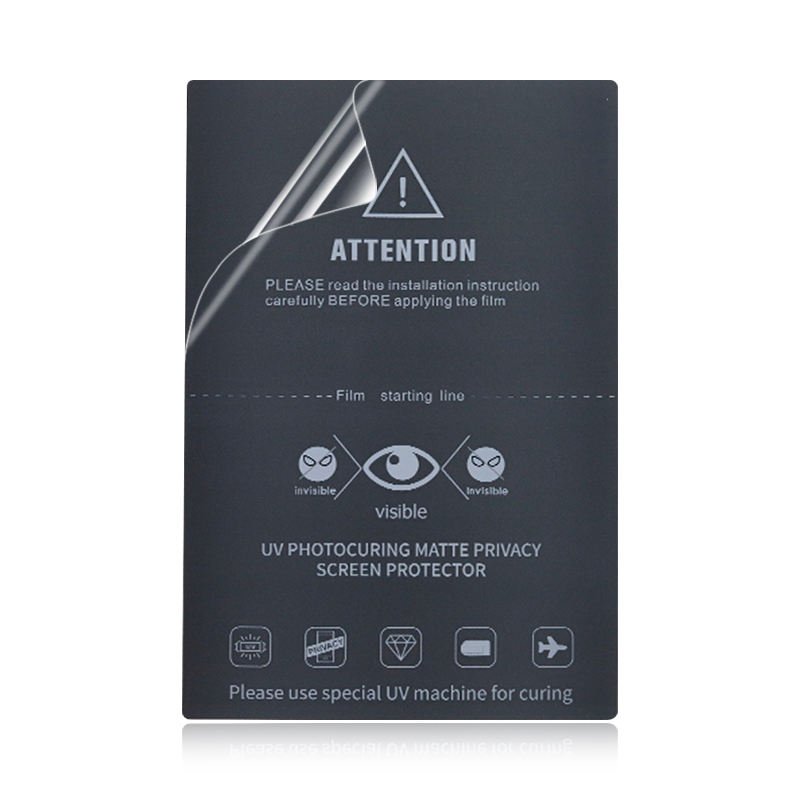
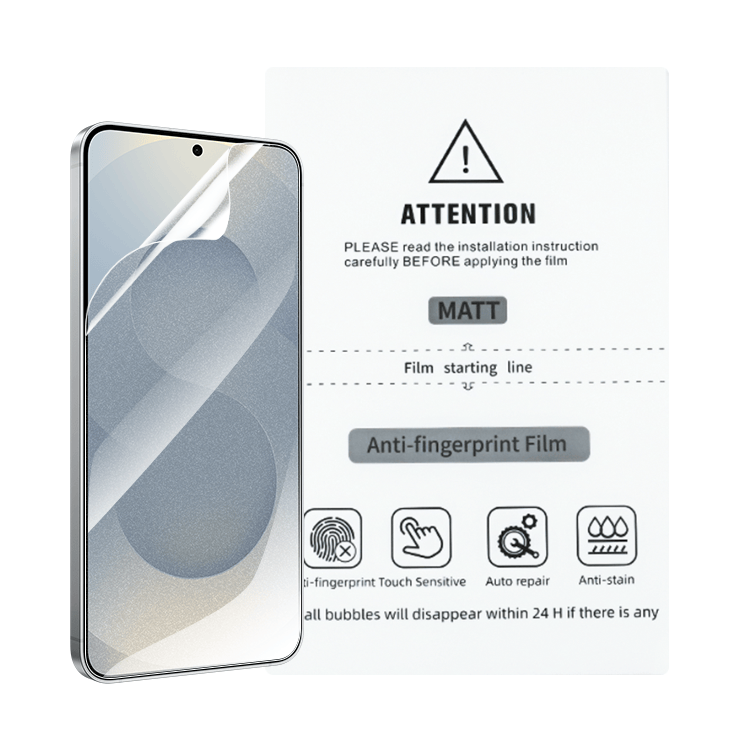
Tempered glass is a rigid, chemically strengthened glass sheet cut and tempered to a set thickness — it behaves like a second layer of screen glass. Hydrogel film is a soft, self-healing polymer film that conforms to the screen surface, including curved edges, rather than sitting as a rigid layer on top.
2. Drop and Scratch Protection Compared
Glass wins on raw drop protection — its rigidity absorbs and spreads impact energy better than a soft film, which is why it remains the default recommendation for customers who prioritize screen survival in a hard drop. Hydrogel resists everyday scratches well and self-heals light surface marks over time, but it isn’t a substitute for glass in a drop-heavy use case.
3. Install Experience
Glass installs flat and rigid, which makes bubble-free application straightforward even for first-time users — align, drop, done. Hydrogel requires a wet-install technique (or a precision dry-install for some variants) and a bit more patience to work from the center outward, but it rewards that patience with true edge-to-edge, gap-free coverage.
4. Curved and Edge-to-Edge Screens
This is where hydrogel has a clear structural advantage: because it’s flexible, it wraps fully around curved-edge displays without the visible gap or lifted edge that glass — especially flat and 2.5D glass — often leaves on curved-screen devices.
5. Reorder Frequency and Margin
Hydrogel is typically replaced more often than glass, since it’s thinner and shows wear sooner — for a retailer, that translates into more repeat purchases per customer over a device’s lifetime. Glass carries a higher unit price and margin per sale but a longer replacement cycle. Neither pattern is automatically better; it depends on whether your business model favors higher-frequency, lower-ticket sales or higher-ticket, lower-frequency sales.
6. Our Recommendation: Stock Both, Segment by Customer
Most successful distributors don’t pick one material — they stock both and let the customer’s device and habits decide. Flat-screen phones and drop-prone users lean toward glass; curved-screen devices and scratch-conscious daily users lean toward hydrogel. Offering both also means you’re not turning away half your potential customers over a material preference.
Need Samples of Both Materials?
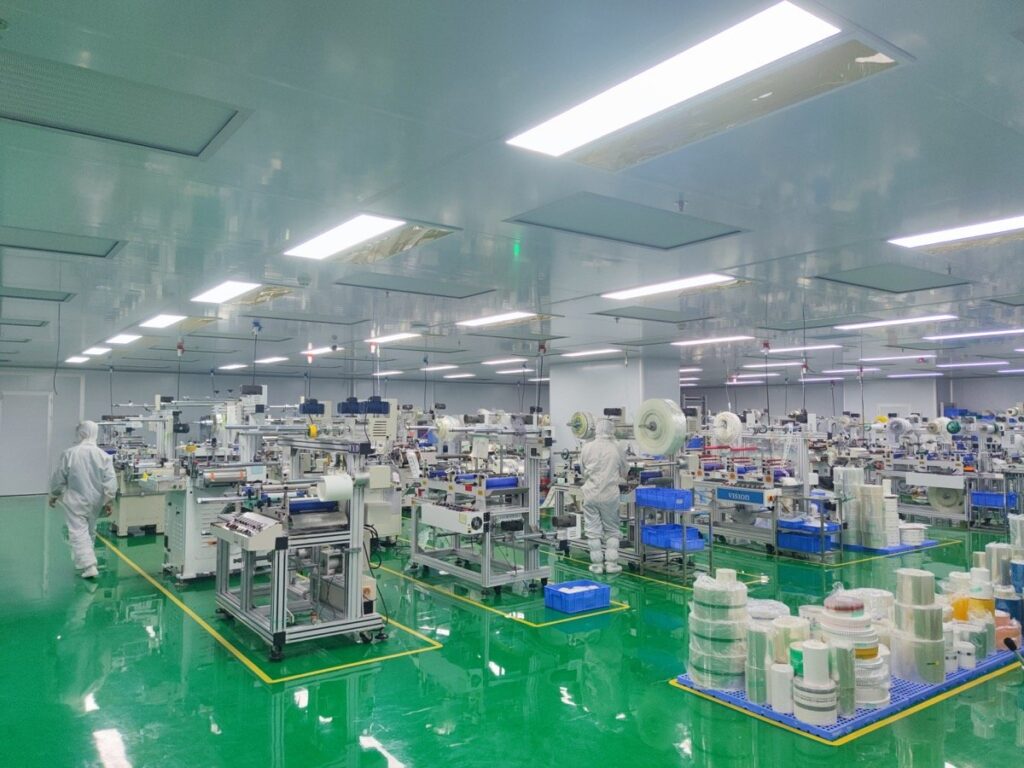
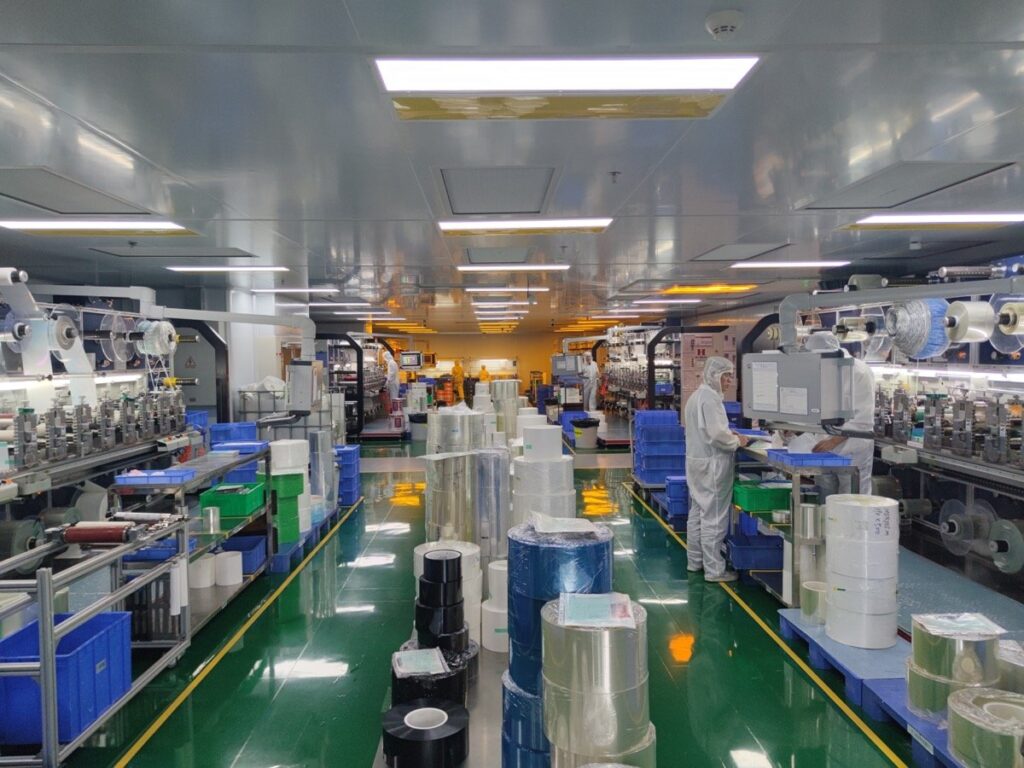
JJT manufactures tempered glass and hydrogel film in-house, so you can compare real samples side by side before committing to a program.