
In this guide
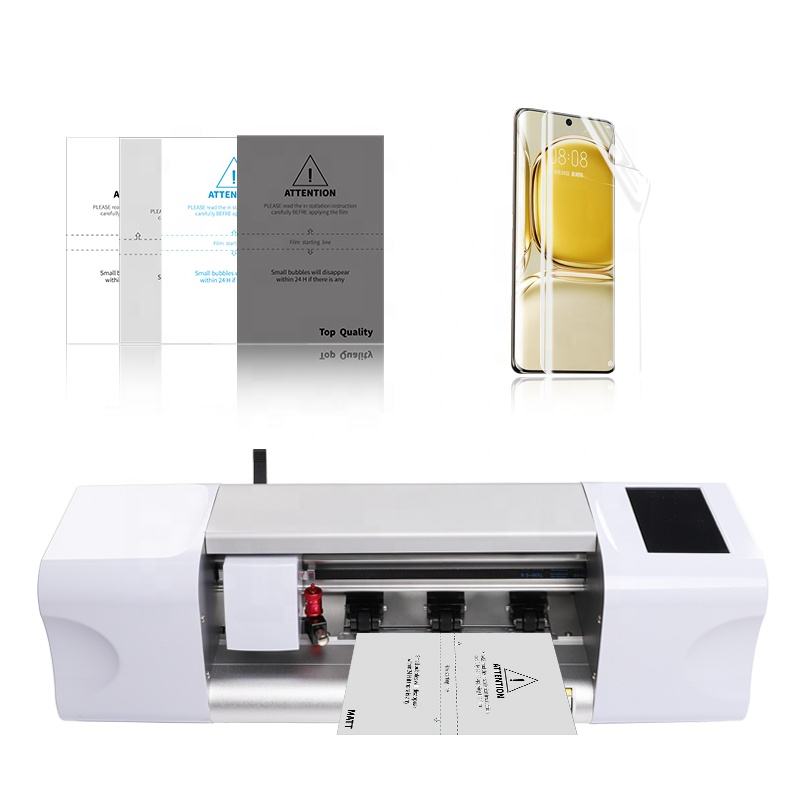
A plotter-style screen protector cutting machine produces device-specific protectors from blank film while the customer waits. Understanding its workflow helps repair shops, accessory stores and wholesale programs compare machine quality, film compatibility and running costs.
- Replace thousands of pre-cut SKUs with an on-demand template library.
- Match blade depth, film and device data for accurate cutting.
- Choose the cutting-bed size according to the devices you need to cover.
1. What a Cutting Machine Actually Solves
Stocking pre-cut protectors for every phone, tablet and smartwatch is difficult because new models launch frequently and shelf space is limited. A cutting machine changes the inventory model: you stock blank film in rolls or sheets and cut each protector on demand from a device template stored in the machine’s software library.
This approach helps stores expand device coverage without carrying a separate finished SKU for every model. The value depends on accurate template updates, compatible film and a machine that can repeat clean cuts consistently.
2. From Blank Film to a Finished Protector
- Select the device template: search the machine library for the phone, tablet or watch model and confirm the outline.
- Load the film: place a blank sheet or roll of compatible film flat on the cutting bed.
- Cut the vector path: the blade follows the selected outline at a controlled depth and speed without cutting through the release liner.
- Remove the waste: peel away excess material around the cut shape.
- Inspect and pack: check edges, camera openings and sensor cutouts before installation or packaging.
3. Plotter Blade vs Laser Cutting
Laser cutters can cut tempered glass directly, but the heat, equipment cost and maintenance requirements make them less practical for many retail environments. A plotter-style blade is mechanically simpler, less expensive to service and well suited to hydrogel film and glass-backing material.
This is why the JJT 13-inch 310 Series and similar retail machines use blade cutting. Buyers should still confirm compatible materials, replacement-blade availability, calibration requirements and the process for receiving new device templates.
4. Choose the Right Machine Size
Machine size should match the products you intend to cut. A 13-inch cutting bed, such as the JJT 310 Series, comfortably covers phones, smartwatches and small tablets. A wider machine such as the 16-inch C390 is designed for laptop protectors and larger-format film.
Before choosing a model, list the largest devices in your program, the film formats you plan to stock and the available counter space. Also confirm software access, template-update frequency, training and after-sales support. For a side-by-side commercial overview, review JJT's screen protector cutting machine range.
5. Common Questions
Can a plotter cutting machine cut tempered glass?
A retail plotter is mainly used for compatible flexible films and glass-backing materials. Directly cutting finished tempered glass generally requires different equipment such as a laser system.
How are new phone models added to the machine?
New device outlines are normally delivered through the supplier’s software or template library. Confirm the update method and frequency before buying.
Which machine size is suitable for a phone repair shop?
A 13-inch machine is usually suitable for phones, watches and many small tablets. Choose a wider bed when laptops or other large formats are part of the planned service.
Looking for a Screen Protector Cutting Machine?
Compare the 13-inch and 16-inch formats first, then contact JJT with the device sizes, film types and daily cutting volume you expect.
Compare Cutting Machine Models